

Isolating Exactly Which Plumbing Line Is Leaking Before Any Repair Work Begins
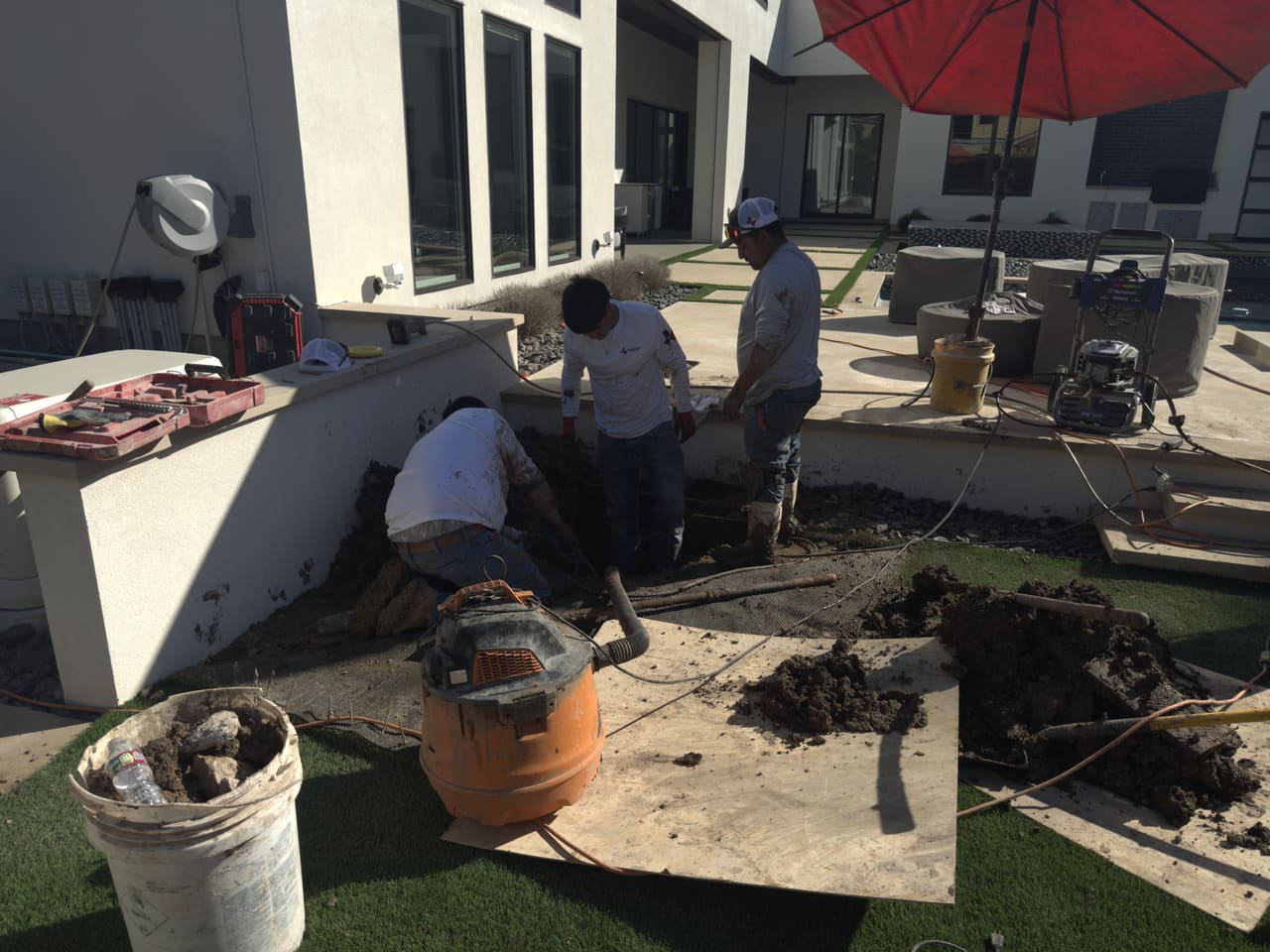
Pool leaks hiding inside underground plumbing are some of the most damaging, and the most difficult to find. Return lines, main drains, and supply pipes run beneath decks, concrete, and soil where they can’t be seen and can’t be reached without digging. Without a way to confirm whether a specific section of plumbing is leaking, repairs become guesswork, and guesswork leads to unnecessary excavation, unexpected costs, and leaks that come right back.
Pool pressure testing removes the guesswork entirely. By isolating individual sections of a pool’s plumbing system and monitoring for pressure loss, Texas Pool Leak Solutions can confirm exactly which line is leaking, where the problem is located, and what kind of repair is needed, all before a single shovel breaks ground. We provide pool pressure testing throughout Dallas and the DFW area as part of our comprehensive pool leak detection services.
Pool pressure testing is a diagnostic method used to identify leaks within a pool’s underground and in-wall plumbing system. Individual plumbing sections, including return lines, main drains, skimmer lines, and supply pipes, are isolated and pressurized using specialized equipment. If pressure drops within a section, it confirms a leak is present in that line.
This method is particularly valuable because it targets plumbing that visual inspection can’t reach. A pool may look perfectly intact at the surface while quietly losing hundreds of gallons of water through a cracked return line buried two feet beneath the deck.
Pool pressure testing is commonly used:
Together, pressure testing and electronic detection give our technicians a complete picture of what’s happening inside a pool’s plumbing system, from confirming a leak exists to identifying the precise foot of pipe where it’s occurring.
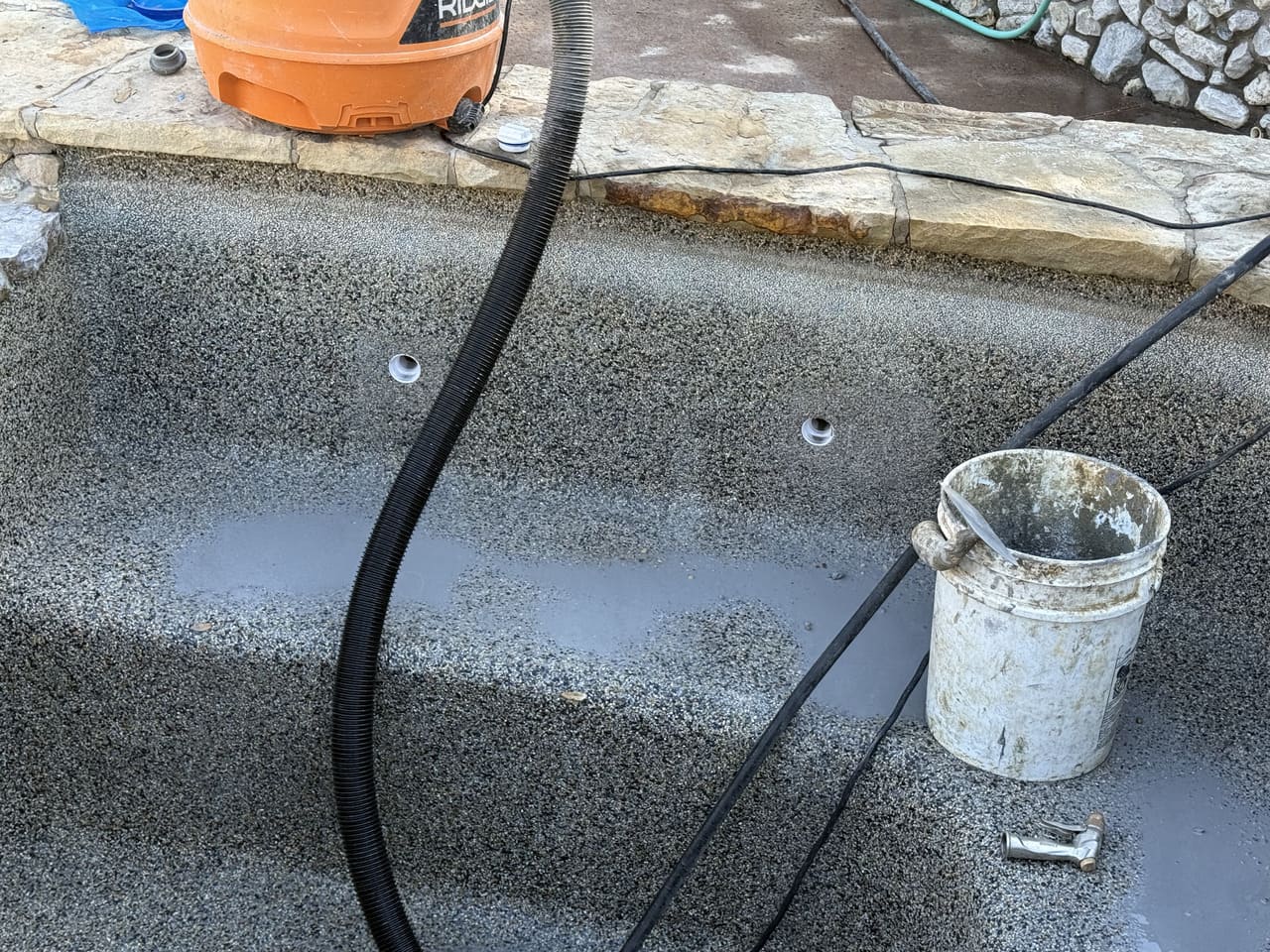
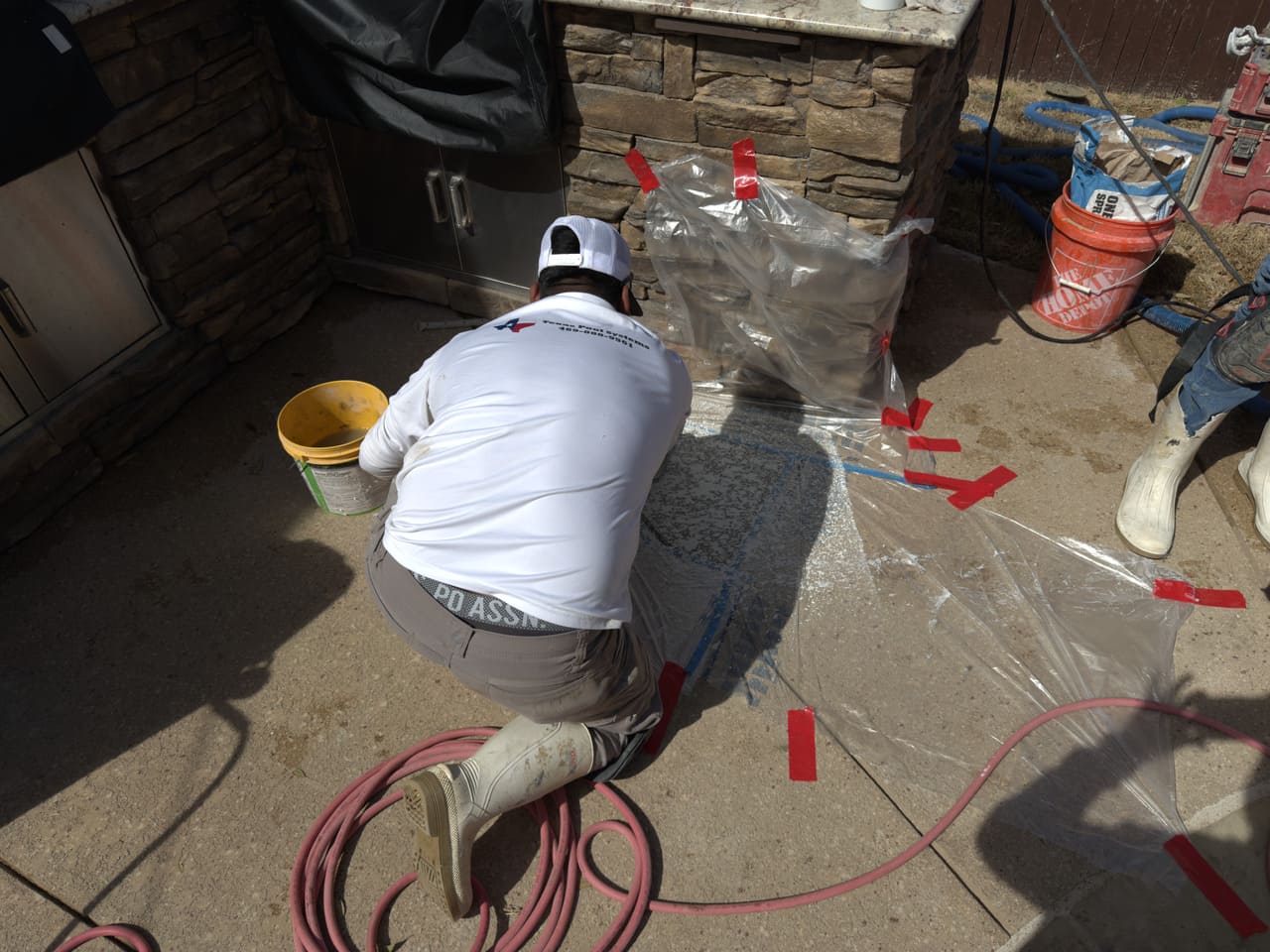
Texas Pool Leak Solutions follows a structured process for every pool pressure testing service in Dallas. Here’s what to expect:
1: Pre-Test Pool Evaluation
Before pressure testing begins, the pool and surrounding area are reviewed. Water loss patterns, pool age, visible symptoms, and any prior repair history are assessed to identify the most likely plumbing sections to test. This step focuses the inspection and reduces overall testing time.
2: Plumbing Section Isolation
Individual plumbing lines are isolated using test plugs that seal off specific sections of the pool’s circulation system. Each section, return lines, main drain lines, skimmer lines, and supply pipes, is tested independently to identify which line, if any, is losing pressure.
3: Pressurization and Monitoring
Isolated sections are pressurized to a controlled level and monitored over a set period. A drop in pressure within a section confirms that water is escaping somewhere along that line. Sections that hold pressure are cleared, allowing the technician to rule out areas and narrow the focus of the inspection.
4: Electronic Detection Integration
When a pressurized section confirms a leak, electronic pool leak detection equipment is used to locate the exact point along the line where the leak is occurring. This two-method approach eliminates the need for exploratory digging and ensures repairs target the precise problem location.
5: Findings Review With the Homeowner
Once testing is complete, results are reviewed with the homeowner in plain language. Our technician explains which lines were tested, what was found, and what repair options are available, including whether same-day repair is possible. For confirmed plumbing leaks, our team can proceed directly to pool leak repair without the homeowner needing to coordinate a separate contractor.
Underground plumbing leaks are more common in Dallas than in many other parts of the country, and the region’s soil is largely responsible. The expansive clay that runs throughout North Texas absorbs water during wet periods and contracts sharply during dry spells, a cycle that repeats every year and puts constant stress on buried plumbing lines. Over time, that movement causes joints to shift, pipes to crack, and seals to fail.
Pools in neighborhoods like Preston Hollow, Lake Highlands, North Dallas, and communities near White Rock Lake that were built before the 2000s are especially vulnerable. Plumbing materials from that era weren’t designed to handle decades of soil movement, and age compounds the problem. The result is often a slow, persistent underground leak that’s invisible from the surface and only detectable through proper pressure testing.
Delays in identifying these leaks carry real consequences:
Pool pressure testing catches these issues before the damage compounds, and before an exploratory trench gets dug in the wrong spot.
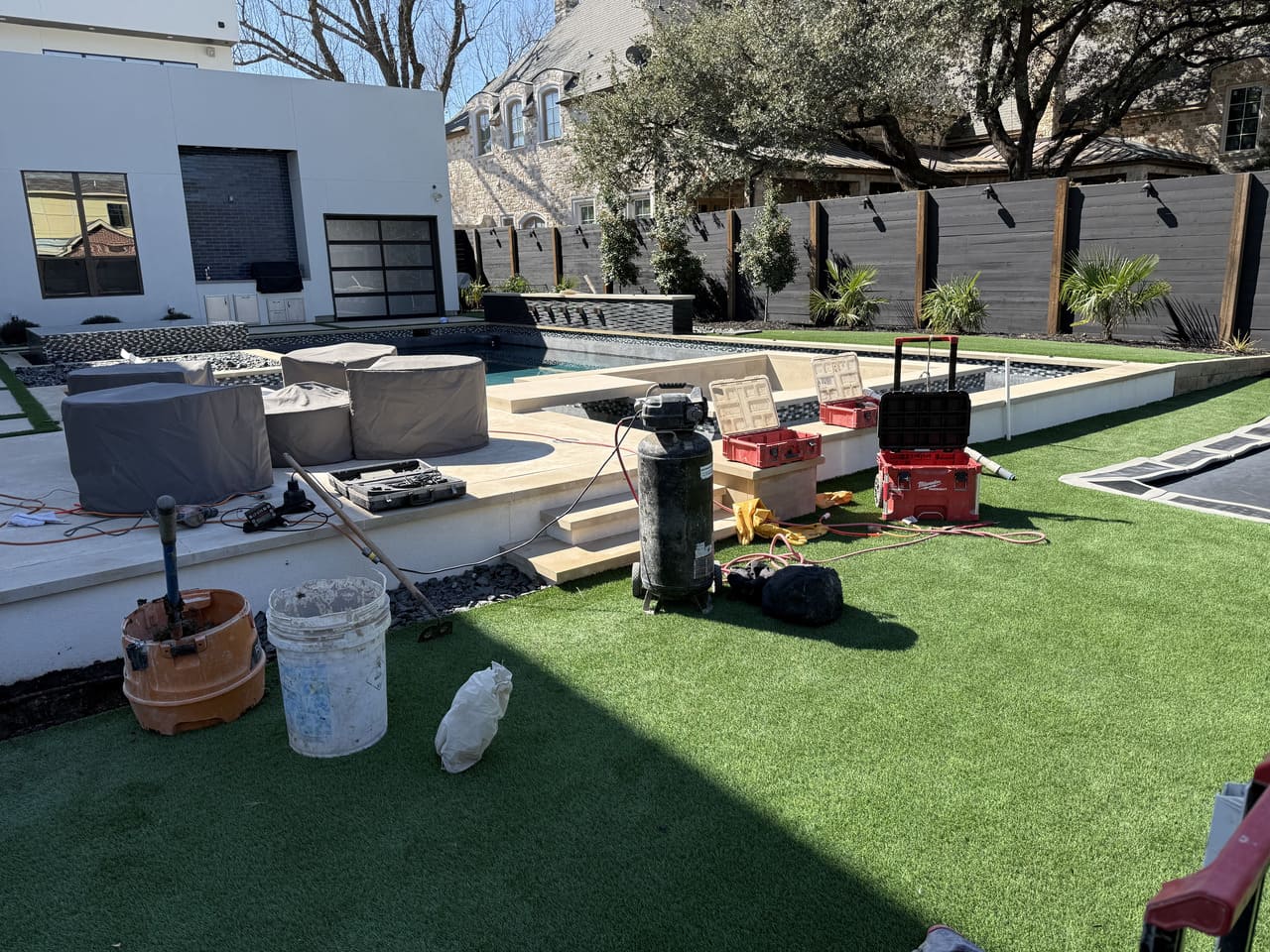
Every plumbing repair recommendation we make is backed by pressure test data. We don't suggest excavation based on a hunch, the testing confirms which line is leaking and our detection equipment pinpoints where before any work begins.
Our team has spent decades working on residential pools throughout Dallas and the surrounding area. We understand how local pools are built, how the region's soil affects plumbing over time, and where leaks are most likely to develop. That experience makes our testing more efficient and our results more accurate.
Texas Pool Leak Solutions handles both leak detection and repair in-house. Once pressure testing confirms a plumbing leak, our team can move directly to repair, no referrals, no scheduling a second contractor, no delay. Learn more about our full pool leak detection services in Dallas.
Pressure testing is designed to narrow the problem down, not dig it up. We test first, confirm the result, then repair, keeping surface disruption to a minimum and repair costs focused on the actual problem.
After every inspection, homeowners get a clear explanation of what was found, what it means, and what comes next. No vague assessments, no unnecessary upsells.
Pool pressure testing detects leaks within the underground and in-wall plumbing system, including return lines, main drain lines, skimmer lines, and supply pipes. It confirms whether a specific section of plumbing is losing pressure, which indicates a leak is present somewhere along that line.
No, but they’re closely related. Pressure testing confirms that a leak exists within a specific plumbing section. Electronic detection then pinpoints the exact location of the leak within that section. Texas Pool Leak Solutions uses both methods together for the most accurate results, pressure testing identifies the line, electronic detection finds the spot.
No. Pressure testing uses controlled pressure levels that are safe for pool plumbing systems. The process is non-invasive and doesn’t require cutting into pipes, breaking concrete, or draining the pool to complete.
Most pressure testing is completed in a single visit. The time varies based on the number of plumbing sections being tested and whether electronic detection is needed to pinpoint a confirmed leak location. In most cases, homeowners have results the same day.
Yes. Resurfacing addresses the pool shell and surface finish, but doesn’t affect underground plumbing. If water loss continues after resurfacing, the source is likely a plumbing leak that surface repairs wouldn’t resolve. Pressure testing is the right diagnostic step when visible repairs haven’t stopped water loss.
Yes. Once a plumbing leak is confirmed and located, Texas Pool Leak Solutions performs the repair in-house. Homeowners don’t need to coordinate with a separate plumber or pool repair contractor.
It’s especially effective on older pools. Dallas-area pools built before the 2000s are more prone to underground plumbing leaks due to aging pipe materials and years of soil movement. Pressure testing is the most reliable way to identify whether aging plumbing is contributing to water loss.
Texas Pool Leak Solutions provides pool pressure testing throughout the Dallas area and surrounding DFW communities.
Dallas Neighborhoods: Preston Hollow, Lake Highlands, Oak Cliff, North Dallas, Lakewood, White Rock Lake area, Uptown, M Streets, Kessler Park, Far North Dallas, Farmers Branch
DFW Cities Served: Plano, Frisco, Allen, McKinney, Richardson, Garland, Mesquite, Irving, Arlington, Grand Prairie, Duncanville, DeSoto, Cedar Hill, Waxahachie, Mansfield, Rowlett, Rockwall
If your pool is losing water and the source hasn’t been confirmed, pool pressure testing is the right next step. Texas Pool Leak Solutions uses proven testing methods to identify underground plumbing leaks accurately, and we handle repairs once the leak is found.
Contact Texas Pool Leak Solutions today to schedule pool pressure testing in Dallas, TX. Our team serves homeowners across the DFW area and is ready to stop water loss at the source.